

Understanding the psychology behind gambling Why your brain loves risk
The Allure of Risk
The thrill of risk is deeply rooted in human psychology. When individuals engage in gambling, they often experience a rush that stems from uncertainty and unpredictability. This adrenaline rush can be exhilarating, providing a sense of excitement that is hard to replicate in other activities. The brain releases neurotransmitters like dopamine during these high-stakes moments, reinforcing the behavior and making it feel rewarding. For those looking to experience this excitement, trying out top online slots can be an appealing option.
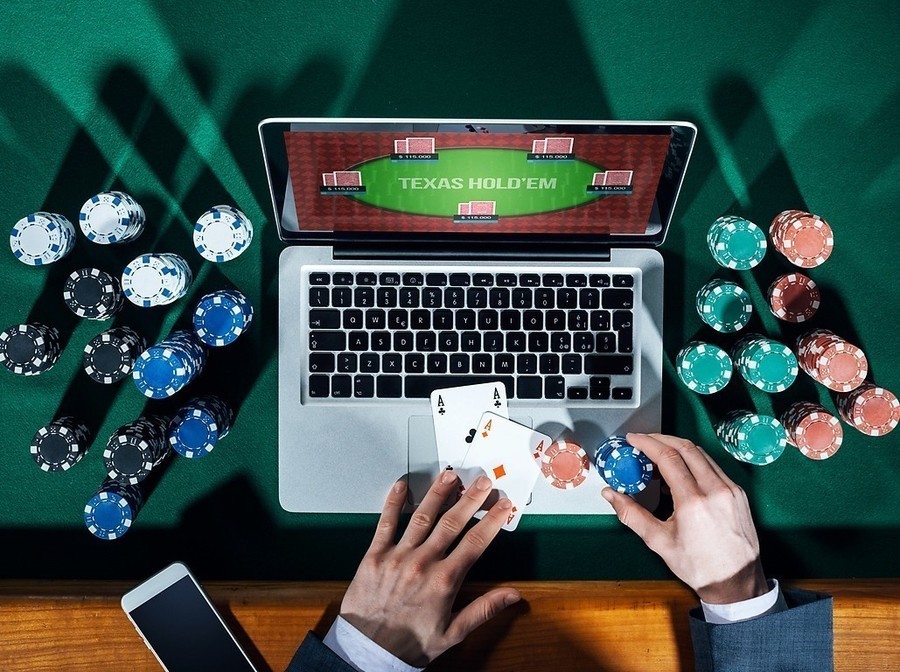
This psychological response can explain why many are drawn to gambling despite the potential for loss. The anticipation of winning, combined with the element of chance, creates a unique cocktail of emotions that keeps players coming back for more. Understanding this allure is crucial for recognizing why gambling remains a popular activity across various cultures.
The Role of Cognitive Biases
Cognitive biases play a significant role in the psychology of gambling. Many gamblers fall prey to the gambler’s fallacy, the belief that past outcomes influence future results. For instance, a player might think that because a particular slot machine has not paid out recently, it is “due” for a win. This misperception can lead to increased risk-taking behavior and bigger bets, as players chase their perceived winning streaks.
Additionally, confirmation bias affects how gamblers process their experiences. They tend to remember their wins more vividly than their losses, reinforcing the belief that they are lucky or skilled at gambling. This selective memory keeps the cycle of gambling alive, as individuals focus on the times they’ve triumphed while downplaying their setbacks.
Neurological Responses to Gambling
When people gamble, their brains undergo significant neurological changes. The anticipation of a win triggers the brain’s reward system, particularly the release of dopamine, which is often referred to as the “feel-good” hormone. This creates a sense of pleasure and fulfillment, reinforcing the behavior and encouraging further gambling.
Moreover, the brain’s areas responsible for decision-making, such as the prefrontal cortex, become engaged during gambling activities. The desire for instant gratification can often override rational thinking, leading individuals to make impulsive decisions driven by the thrill of the moment rather than logical reasoning. This interaction between emotion and cognition highlights why gambling can be so addictive.
Social Influences on Gambling Behavior
The social environment also significantly impacts gambling behavior. Many individuals are introduced to gambling through friends or family, creating a communal experience that enhances the excitement. Social validation can encourage risk-taking, as players are more likely to bet heavily when surrounded by peers cheering them on.
Furthermore, the culture surrounding gambling can shape perceptions and attitudes. In societies where gambling is normalized or celebrated, individuals may feel more compelled to engage in risky behavior. This social aspect underscores the importance of community and connection in the psychology of gambling, making it not just an individual pursuit but also a shared experience.

Enhancing Your Gaming Journey
Our website is dedicated to providing insights into the world of gaming and gambling. We understand that the psychology behind gambling can be complex, and our goal is to help you navigate through it. Whether you are a casual player or a seasoned gambler, our resources aim to enrich your understanding of this captivating field.
Join our vibrant community where you can explore the latest trends, share your experiences, and engage with others who share your interests. Together, we can enhance your gaming journey and provide a deeper insight into the psychology behind why your brain loves risk.