Understanding Interpol Silver Notices: A Comprehensive Guide
In the intricate world of international law enforcement, Interpol plays a pivotal role in facilitating cooperation between police organizations across borders. One of the tools that aid this collaboration is the Interpol Silver Notice. Silver Notices are crucial in identifying and locating individuals whose whereabouts are unknown, particularly in cases where they may have committed criminal acts or are linked to a criminal investigation. To gain further insight into this topic, you can visit information on Interpol silver notices https://www.home-truths.co.uk/pag/information-on-interpol-silver-notices-and-asset-tracing-mechanisms.html.
What is an Interpol Silver Notice?
An Interpol Silver Notice is a request to law enforcement authorities worldwide for assistance in locating and identifying a person who is believed to be involved in a criminal act or is missing. This notice is not exclusively for fugitives but can also apply to individuals who might provide important information regarding a particular case. The Silver Notice serves as a significant international tool to uphold justice and enhance collaborative investigatory efforts.
Key Characteristics of Silver Notices
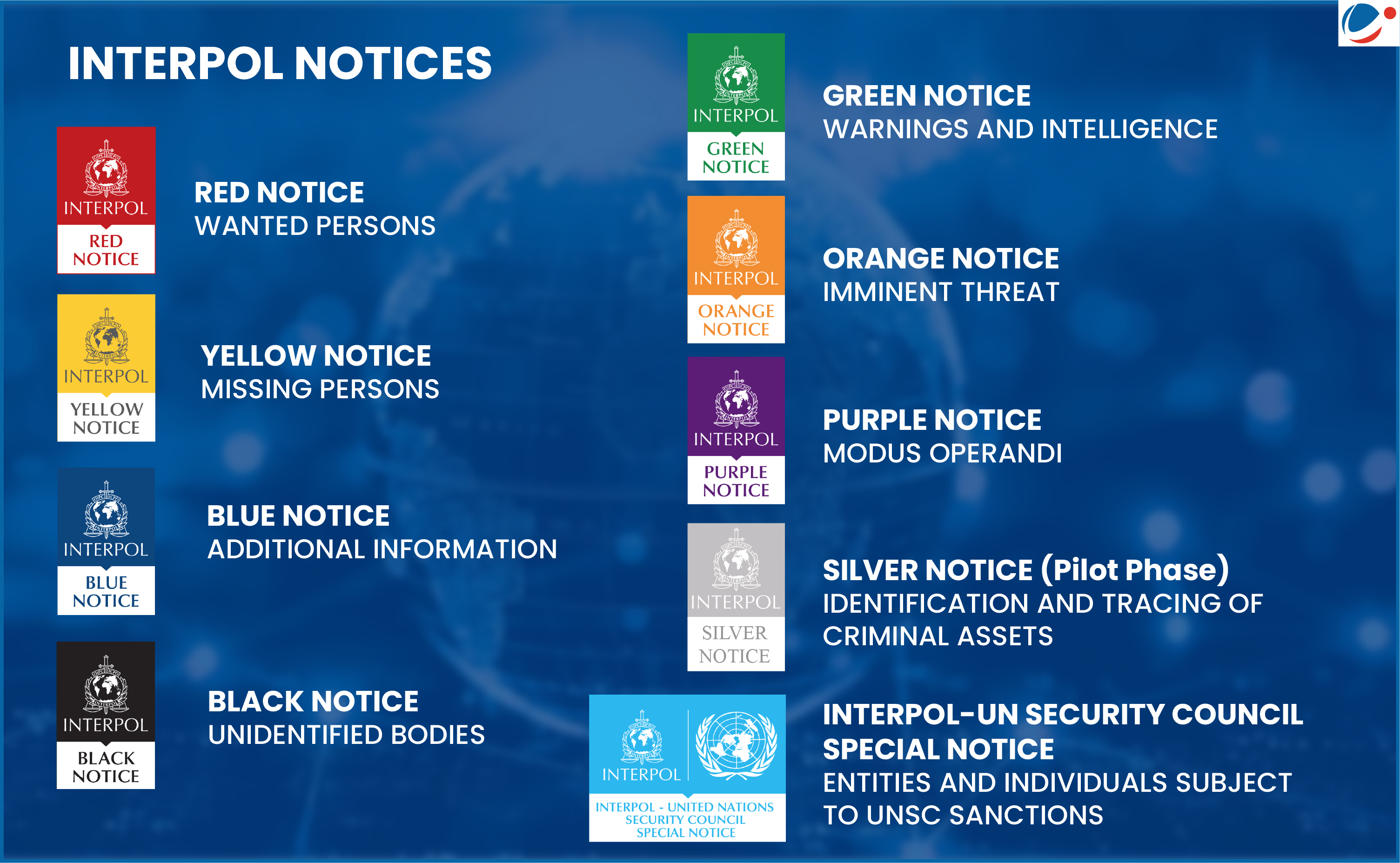
Silver Notices are distinct from other types of Interpol notices. For instance, a Red Notice requests the arrest or location of a person wanted by national jurisdictions for extradition, while a Blue Notice seeks to collect additional information about a person’s identity or activities in relation to a criminal offense. Silver Notices, on the other hand, emphasize the need for assistance in locating individuals, particularly in situations involving missing persons or those suspected of being involved in criminal activities.
Why Are Silver Notices Issued?
Several scenarios can lead to the issuance of a Silver Notice. Law enforcement agencies may issue such notices when:
- A person has gone missing, and their whereabouts are crucial to ongoing investigations.
- A suspect is believed to have fled to another jurisdiction, making local apprehension difficult.
- Information about a person might be essential for clarifying ongoing criminal investigations or resolving cases.
The Process of Issuing a Silver Notice
The process for issuing a Silver Notice involves close collaboration between member countries of Interpol. It generally follows these steps:
- Request: National police forces identify the need for assistance and formally request the issuance of a Silver Notice through Interpol’s National Central Bureau (NCB).
- Review: The Interpol General Secretariat evaluates the request to ensure that it meets the requisite criteria.
- Distribution: Upon approval, the Silver Notice is distributed to all member countries, alerting them to the individual’s status and the details of the request.
Impact of Silver Notices on Law Enforcement
The issuance of an Interpol Silver Notice can greatly enhance international cooperation regarding investigations. It improves communication across borders and allows different law enforcement agencies to work together more effectively. This collaborative effort is vital in addressing transnational crimes and missing persons cases, showcasing the importance of global police cooperation in maintaining public safety.
Case Studies: Notable Uses of Silver Notices
Historically, Silver Notices have played a significant role in various high-profile cases. While details about specific individuals may be sensitive or classified, several instances highlight the effective use of Silver Notices in locating missing persons or apprehending individuals who have escaped justice. These cases often reveal the complex interplay between law enforcement agencies and underline how crucial it is for them to share information regardless of national boundaries.
Challenges with Silver Notices
Despite their effectiveness, the use of Silver Notices is not without challenges. These include:
- Legal and political barriers in extradition processes between countries.
- Differences in national laws and regulations, which can impede the timely execution of requests.
- Variability in the willingness of countries to cooperate with requests, affecting the overall efficiency of the notice.
Conclusion
Interpol Silver Notices serve as an essential tool in the global effort to maintain peace and security. Their role in identifying and locating individuals, assisting investigations, and fostering international cooperation cannot be overstated. As law enforcement agencies continue to face challenges in dealing with international crime, the importance of Silver Notices and other Interpol mechanisms will only grow. Understanding the intricacies of these notices is crucial for anyone interested in global law enforcement and international crime prevention.